
How Your Baby's Tongue Shapes Their Palate: Tongue Ties, Feeding, Sleep and Speec
Oct 22, 2026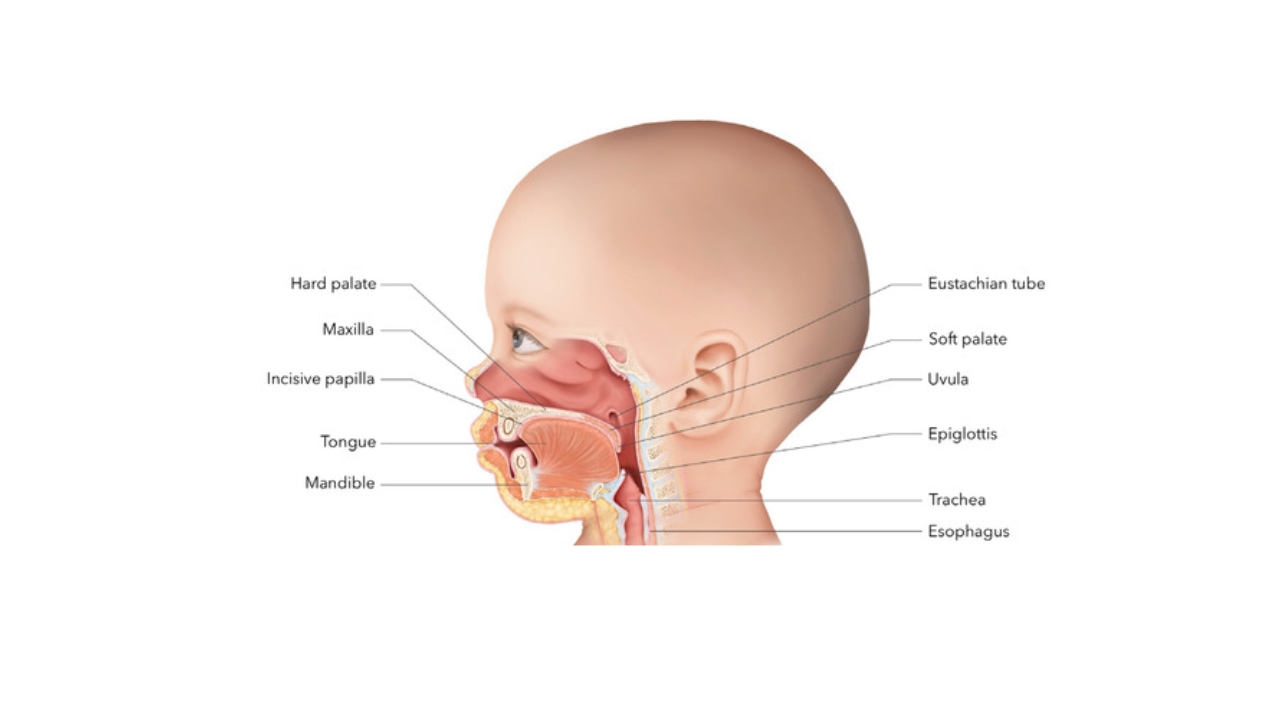
Tongue tie complexities. This is an example of something I see quite often in my office: A little 2 month old came in with
- Difficulty breastfeeding: pain for mom and fussiness at the breast for baby
- Trouble forming a full seal at the breast and the bottle
- A sensitive gag reflex
- Chronic congestion
- Difficulty coordinating a proper suck
- Full-body tension and limited neck range of motion
- A high arched palate
And the ripple effect? Gassiness, discomfort, poor sleep, and a very frustrated (and exhausted) mama.
Here's the kicker: this wasn't caught by their family doctor, pediatrician or midwife. Because the tongue tie looked "mild," it was brushed off as "not a problem." That couldn't be further from the truth.
It breaks my heart, because I know it didn't have to get this far. Babies deserve earlier assessment, and families deserve answers. I'm so thankful this mama had supportive friends who encouraged her to get a second opinion from a pediatric chiropractor.
The Tongue Is Your Baby's Palate-Shaper
Here's something most people don't realize: the tongue shapes the roof of the mouth.
- When a baby nurses well, the tongue presses the breast up against the palate with every compression.
- That gentle, repetitive pressure helps widen and flatten the palate, by creating a vacuum effect. This creates space for healthy dental alignment and even helps open the airway.
- At rest and during sleep, the tongue should sit up against the palate, creating a gentle "suction" effect.
- When tongue mobility is restricted (by a tongue tie, low muscle tone or poor oral function), the palate can become high and narrow. Over time, this may affect breathing, sleeping, eating, and even speech.
So no, a tongue tie isn't just about feeding in the moment. Oral function has a lifelong impact.
Why Baby's Oral Function Matters Beyond Breastfeeding
Good tongue movement sets the stage for:
- Efficient feeding: less air swallowing, and less reflux and gassiness
- Better breathing: a wide palate supports clear nasal breathing and less congestion
- Quality sleep: airway health is directly tied to restful sleep
- Speech development: tongue mobility and placement matter for clear articulation
- Jaw and facial growth: the tongue helps guide the bone development of the face and skull
When oral function is compromised, babies find workarounds. Those compensations often lead to more problems later on.
Is a "Mild" Tongue Tie Really Mild?
Not always. How a tongue tie looks doesn't always match how it functions. A tie that appears small can still limit how well your baby lifts, extends and moves their tongue, and that's what shapes the palate and drives feeding. That's why a full functional assessment matters more than a quick look.
Signs to Watch for in Babies and Older Children
I encourage you to check in on your baby's, or your older child's, oral function with these points in mind:
- Do they breathe through their nose, rather than their mouth?
- Do they chew food comfortably with their mouth closed?
- Do they sleep with quiet, easy breathing?
- For babies: can they hold a full seal at the breast or bottle without clicking, leaking milk or tiring quickly?
If any of these give you pause, it's worth getting an assessment.
Your baby's tongue isn't just about breastfeeding. It's a key player in how they feed, sleep, breathe, and even speak. Early assessment matters, because a "mild" tongue tie doesn't always mean a mild impact.
Frequently Asked Questions
Can a tongue tie cause a high palate? It can contribute. When the tongue can't lift and rest against the roof of the mouth, the palate misses the gentle vacuum pressure that helps it widen and flatten, and it can develop high and narrow.
What are the signs of a tongue tie in a baby? Common signs include painful or difficult breastfeeding, trouble keeping a seal at the breast or bottle, clicking while feeding, gassiness, a sensitive gag reflex, congestion and poor sleep.
Why does palate shape matter? A wide palate supports nasal breathing, a healthy airway, restful sleep and room for teeth. A high, narrow palate may affect breathing, sleep, eating and speech as a child grows.
Can a pediatric chiropractor help with tongue tie? A pediatric chiropractor can assess your baby's oral function, body tension and neck mobility, and work alongside your lactation consultant, dentist, SLP, OMT, PT or other care providers to support feeding and development.
Let's Keep the Conversation Going
Have questions about your baby's oral function, or want to share your own experience with tongue ties, palate shape or feeding? Send me a DM on Instagram. I'd love to hear from you.
If you're in the Stratford Ontario area and want your baby assessed, book a visit with myself at. Stratford Chiropractic & Wellness Centre.
The Motherhood Movement is a Free Community for New Parents!
Get expert advice, simple activities, and uplifting encouragement to help you support your baby's development and feel empowered in your motherhood journey - right into your inbox!
Want my Free Guide for More Information and Support for Your Little One?
Sign up below to receive "10 Simple Activities to Help Boost Your Baby's Development At Home"!
We respect your privacy. By signing up, you agree to receive helpful tips and updates from us. You can unsubscribe at any time, and we’ll never share your information with third parties.
